Technology Title
Nabors On-Demand Hydrogen Power for Expeditionary Operations
Tech Focus Area
Energy, Environmental, Health, and Safety
Abstract
The Department of War’s operational effectiveness at the tactical edge is critically dependent on reliable power, a need largely met by diesel generators with significant logistical and tactical drawbacks. The constant demand for fuel creates a vulnerable supply chain, while the acoustic and thermal signatures of generators pose a direct risk to personnel. The Nabors hydrogen power system provides a direct solution to this challenge, offering a resilient, non-hydrocarbon-derived energy source designed for expeditionary sustainment.
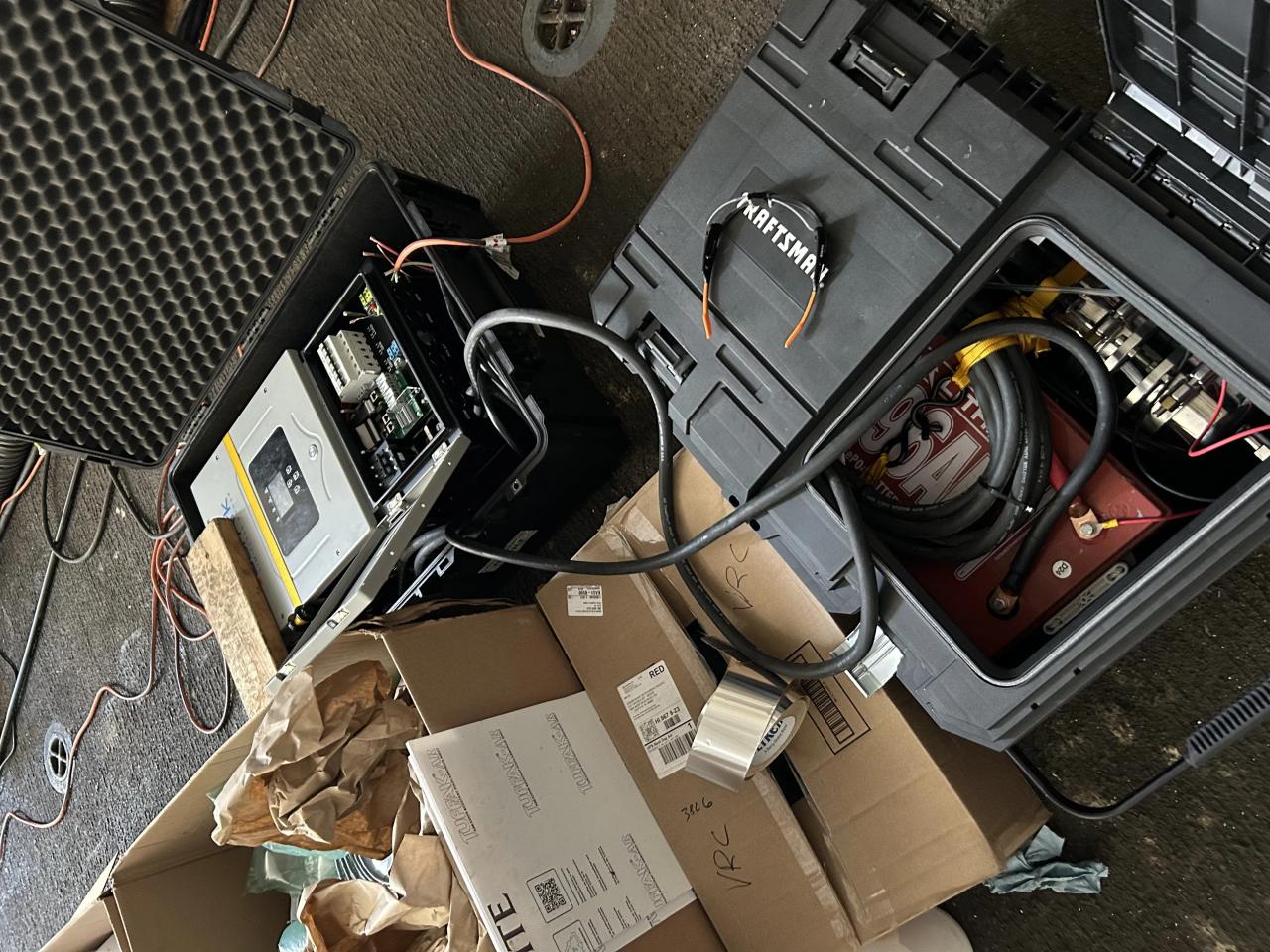
The innovation is a modular, containerized power generation system that creates fuel at the point of need. Using minimal inputs of fresh water and a small amount of solar power, the system produces hydrogen via electrolysis. This hydrogen is then stored in a safe, low-pressure, portable metal hydride canister. This “fill and carry” model decouples energy generation from consumption; canisters can be charged at a central point and transported to the job site for silent, on-demand power conversion via a fuel cell. A small, integrated battery bank acts as a power-conditioning buffer, ensuring clean, stable electricity for sensitive equipment while reducing the size and weight of the overall system.
Graphic
The primary benefit to the DoW is the significant reduction of the logistical burden of diesel, enhancing operational freedom and resilience. By partnering with AirJoule technology to maximize energy output from limited water inputs, we are tackling the core innovation challenge of efficiency in austere environments. The system’s silent, low-heat operation also provides a major tactical advantage in the field.
The system’s TRL 7 capability was proven at the Pacific Battle Damage Exercise (PBDE ’26), where it provided prime power for the In-Place Machining repair cell. Furthermore, it demonstrated a unique “hub and spoke” energy model by also producing hydrogen for a separate man-portable version, which was then used to power cold spray operations directly onboard a vessel. We are currently scaling the containerized technology to power a full 18-container Expeditionary Maintenance and Repair Facility (EMRF). Funding from this competition would be directly applied to maturing and expanding the man-portable variant, accelerating the delivery of this critical “last tactical mile” energy solution to the warfighter.