Technology Title
RPR Induction Coating Removal: A Safer, Faster, and Lower-Waste Surface Preparation Technology for Defense Sustainment
Tech Focus Area
Coatings and Corrosion Prevention
Abstract
The Department of War faces persistent sustainment challenges associated with removing aged, thick, and hazardous coatings from steel assets, including ships, armored systems, tanks, structural components, and depot infrastructure. Conventional methods such as abrasive blasting, mechanical removal, and ultra-high-pressure water-jetting can create substantial secondary waste, require extensive containment, increase worker exposure risks, interrupt adjacent maintenance activities, and extend asset downtime. These limitations directly affect maintenance throughput, corrosion mitigation efforts, and operational readiness.
RPR Technologies’ Induction Coating Removal system uses controlled electromagnetic induction to heat the steel substrate beneath the coating, rapidly breaking the adhesive bond between the coating and the metal surface. Once disbonded, coatings are removed in strips, sheets, or solid fragments rather than being pulverized into dust or mixed into contaminated slurry. The process requires no abrasive media, produces minimal secondary waste, operates with very low noise, and is particularly effective for thick or difficult coating systems on steel substrates. RPR has demonstrated applicability for marine coatings, tank linings, anti-skid deck systems, fireproofing materials, and hazardous coating removal.
For DoW maintenance and sustainment operations, RPR induction technology offers several mission-relevant advantages: reduced asset downtime, lower containment and cleanup requirements, improved worker safety, and the potential for more maintenance tasks to occur concurrently in shared work environments. By reducing dust, blast media use, noise, and waste volume, the
Graphic
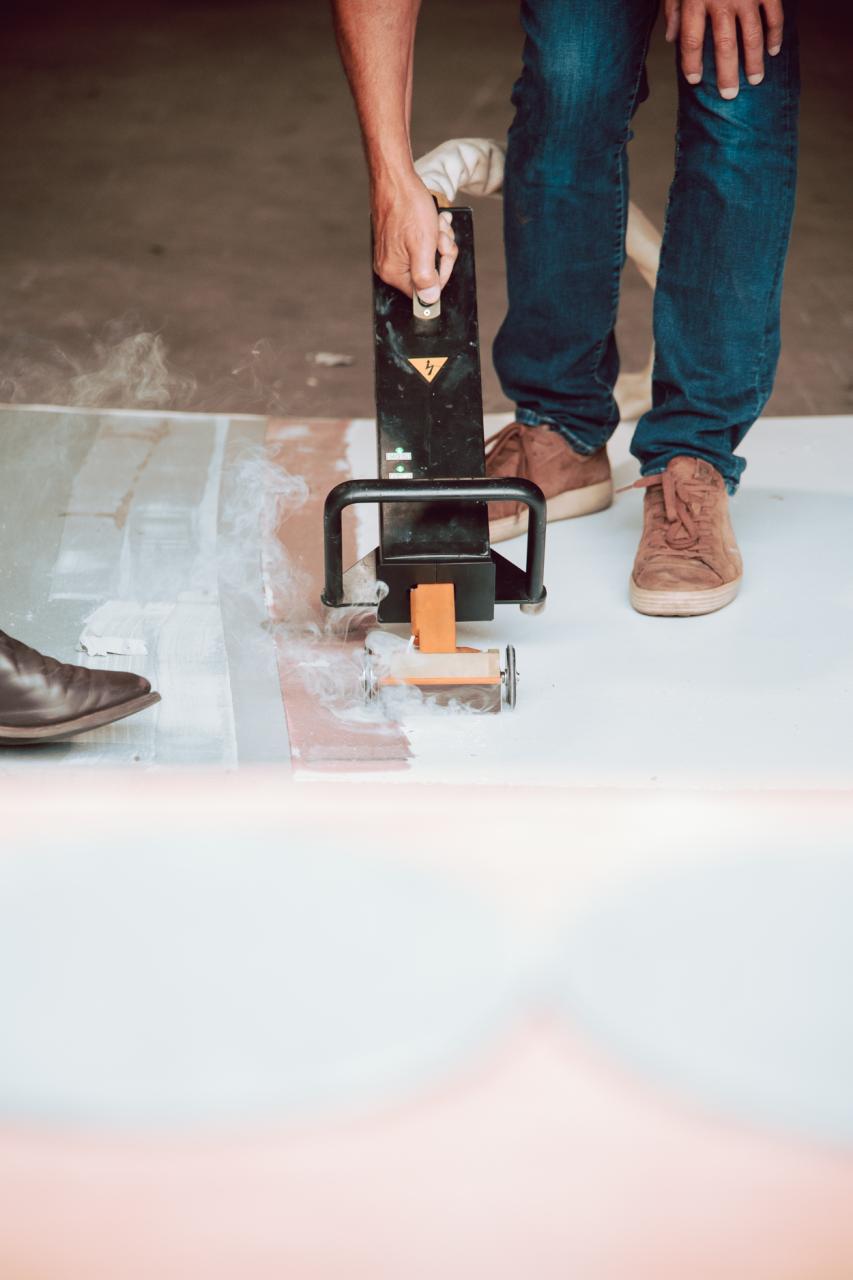
technology can improve throughput in shipyards, depots, and fieldsustainment settings while supporting corrosion control and lifecycle maintenance objectives. Case studies have shown reduced project duration and lower waste generation compared with traditional methods in large-scale industrial applications.
Implementation requires proper matching of equipment configuration, induction head geometry, coating type, substrate thickness, and worksite conditions. Defense-specific validation is needed to quantify productivity, safety, and cost benefits across representative DoW assets and to define where induction removal should be used independently or as part of a hybrid surface preparation process.
RPR induction coating removal is a commercially deployed and field-proven technology with documented use in offshore, marine, tank, and infrastructure environments. Demonstrated applications include removal of thick fireproofing from the Statoil Troll A Platform, anti-skid deck coating removal on the West Venture drilling vessel, and internal tank coating removal for Shell, where RPR reduced waste, minimized downtime, and delivered competitive or lower removal costs than conventional alternatives. These results indicate strong technical maturity and a credible pathway for DoW.