Maintaining the US military’s worldwide presence requires the ability to perform maintenance and sustainment (M&S) activities globally, which necessitates a continual supply of a wide assortment of repair parts and components for multiple weapons systems. But ensuring maximum readiness sometimes also requires solving difficult supply chain challenges including long lead times to acquire parts and components, the unavailability of some legacy parts and components, and legacy design deficiencies that result in unreliable parts.
By leveraging additive manufacturing processes, M&S operations can solve many supply chain issues that plague legacy platforms, improving overall operational effectiveness while lowering costs.
In an effort to expand the use of additive manufacturing in locations where standard supply chains have unacceptably long lead times for delivery, the Naval Facilities Engineering and Expeditionary Warfare Center has partnered with NCMS and industry participant Defense Engineering Systems (DES) on a CTMA initiative to create a prototype portable manufacturing system. The overall goal is to create a system that can enable rapid production of parts that allow for, at minimum, temporary repair while new replacement parts are in transit. During development, the project team has been tasked with identifying critical requirements for producing legacy parts effectively. Likewise, technology gaps will be defined, such as electrical power needs, environmental conditions, and the suitability of certain advanced manufacturing technologies.
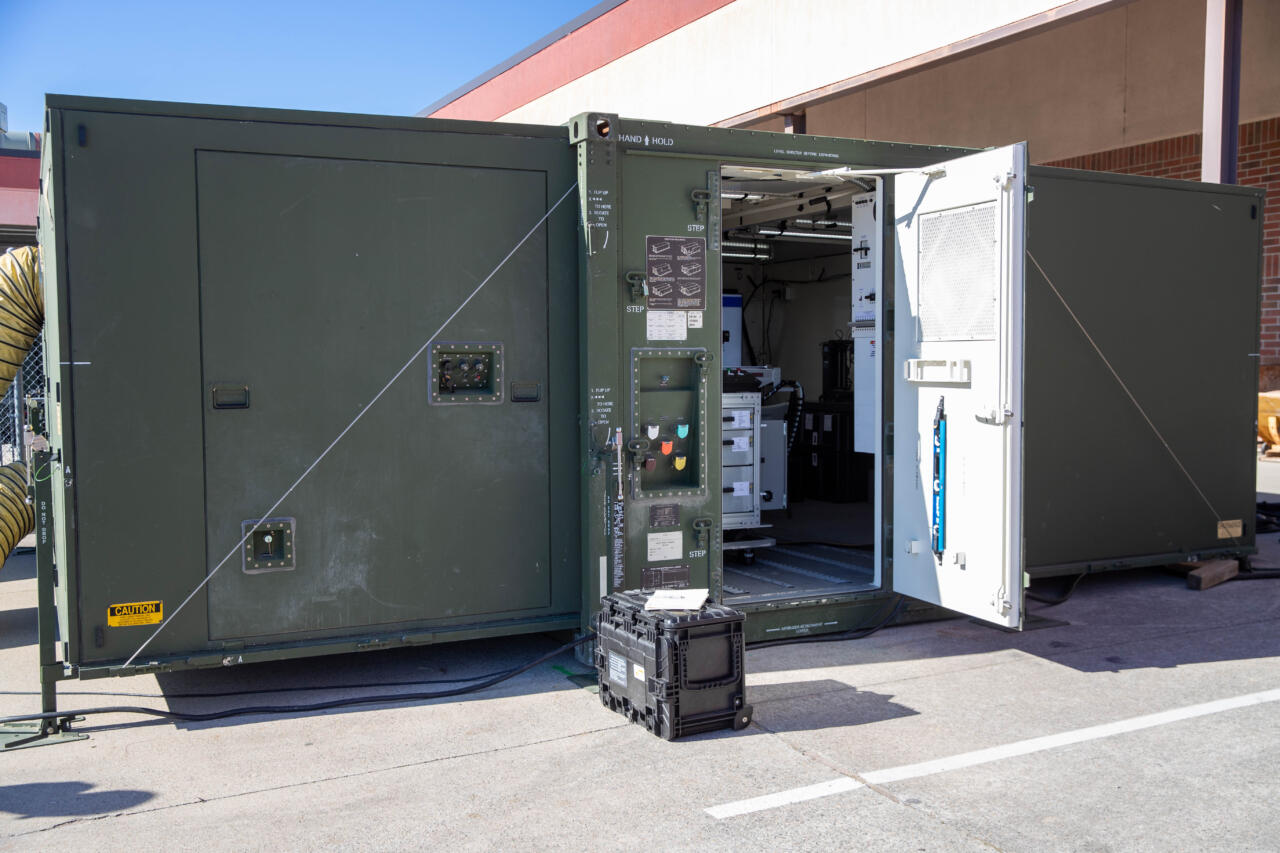
This portable manufacturing system will be a containerized version of an additive manufacturing or fabrication lab. It will function similarly to the way that Emergency Medical Services (EMS) operates in support of a larger medical apparatus. In an ideal situation, all medical procedures would take place in a hospital or office setting. However, due to medical emergencies, EMS workers are deployed to triage and stabilize the patient while in transit to the hospital. The portable manufacturing systems will function similarly. They may not have the same capabilities of the larger, traditional production facilities, but they are optimized to meet the most critical needs of maintainers while in the field. These containers will offer a variety of additive and advanced manufacturing capabilities mounted into a mobile package that can help save valuable time for repairs and prevent prolonged downtime for military assets.
“At DES, we are committed to delivering innovative solutions that address the military’s most pressing challenges,” Greg Gordon, DES Managing Principal, said. “This portable manufacturing system is a game-changer, enabling rapid repairs and minimizing downtime for critical assets in remote locations.”
In the early stages of the initiative, the project team developed an initial design for the fabrication facility and received appropriate approvals and stakeholder support. Work has now begun on prototype production with a delivery goal set for the end of 2025. One unique aspect of this
CTMA project is that, while portable manufacturing systems are not new, this project places more emphasis on enabling rapid implementation of parts through secure access to engineering data stored in a government digital repository of approved designs. Additionally, this system will include capabilities for design improvements of faulty parts, enabling real-time evaluation for future improvements.
“This initiative represents a significant leap forward in leveraging advanced manufacturing technologies to support military operations,” Gordon added. “By integrating secure access to engineering data and enabling real-time design improvements, we are setting a new standard for efficiency and innovation in the field.”
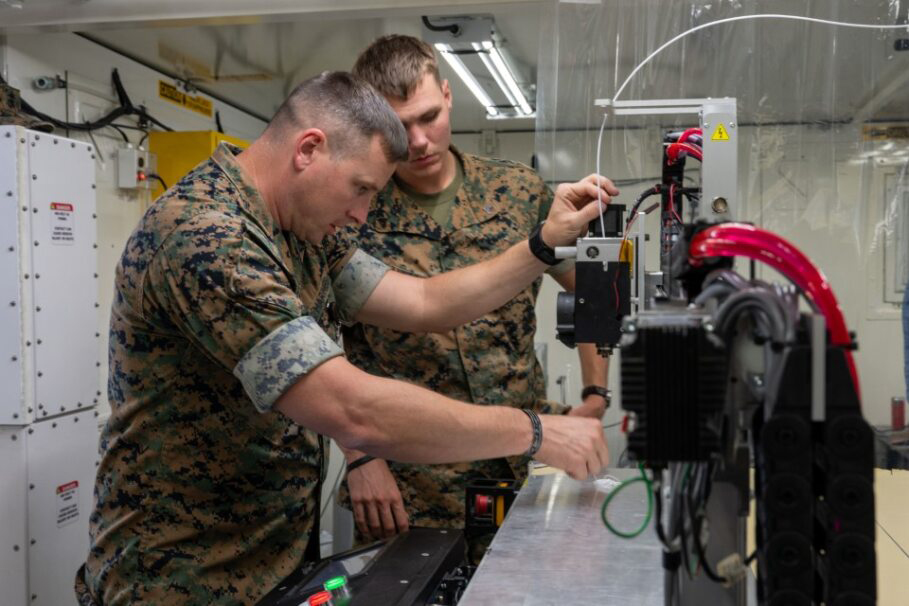
Rapid progress on this initiative has been fueled by the project team’s ability to gain valuable insights from existing set-ups used by other services. One such preexisting option—the US Marine Corps’ Expeditionary Fabrication (XFab) program—is a 3D printing and fabrication lab designed for use in deployed locations, which the project team was able to visit.
The ability to produce parts and components at the point-of-use will certainly reduce costs and turn-around time. Additionally, rapid design iteration will improve part quality. Altogether, this project contributes to the development of rapid portable manufacturing, strengthens the US industrial base, and improves remote maintenance and sustainment activities for both the public and private sectors.